
Lessons from the Global IT Incident
Turning Cyber Chaos into Resilience
On July 19, 2024, the cybersecurity landscape was shaken by an unprecedented event: a faulty update from a leading cybersecurity firm, caused an estimated 8.5 million computers running Microsoft Windows to crash. This incident, termed the largest outage in the history of information technology, disrupted daily life, businesses, and governments worldwide.
What Happened?
The problem began when a mismanaged update to a widely used security sensor software caused Windows machines to enter a boot loop or boot recovery mode. Despite the swift identification and retraction of the faulty update, the damage had been done. Systems across various industries, from airlines and banks to hospitals and governmental services, were affected. The global disruption highlighted the vulnerability inherent in using the same cybersecurity solution across many IT systems and in vast amounts of organizations.

Impact on Critical Infrastructure
The financial and operational repercussions of this incident were monumental. The worldwide financial damage has been estimated today to be in the tens of billions of dollars¹. Critical sectors experienced severe disruptions:
- Air Transportation: Globally, over 5,000 flights were cancelled, causing significant delays and inconveniences. Airports faced chaos as check-in systems and automated boarding processes failed.
- Healthcare: Hospitals had to pause non-urgent surgeries and medical visits. Many facilities could not access patient records, leading to delays in treatment and emergency services.
- Financial Services: Banks experienced outages that affected millions of transactions. ATMs were down, online banking services were inaccessible, and stock markets faced operational challenges.
- Government Services: Emergency services and essential governmental operations were heavily disrupted. Websites, call centers, and critical public services experienced outages, impacting everything from 911 services to routine administrative functions.
- Retail and Point of Sale Systems: Supermarkets, convenience stores, and fuel stations faced significant operational hurdles as point of sale (POS) systems crashed, preventing transactions.
Why Widespread Technologies Can Be Vulnerable
The reason certain security technologies become widespread is due to their effectiveness and reliability in protecting systems against cyber threats. In essence, their success drives their ubiquity, which in turn also makes them points of vulnerability. When a widely used system fails, it can create a cascading effect across numerous industries and geographies. This incident underscores the importance of resilience in designing IT security architectures. Ensuring that systems can withstand and quickly recover from such disruptions is key to maintaining operational continuity.
Recommendations for Critical Environments: Heterogeneity is key!
For essential systems in critical infrastructure environments, relying on a single security solution, or for that matter, any single IT solution, can pose significant risks. In addition to well-known IT resilience measures such as diversified hardware, redundant communications infrastructures, efficient update testing processes, and robust backup systems, implementing a multi-vendor security strategy, coupled with complementary technologies, can significantly enhance resilience. Here are some key recommendations:
- Multi-Vendor EDR Strategy: Deploying different EDR solutions across various segments of your network ensures that an issue with one does not incapacitate your entire infrastructure. It also enables the possibility of benefiting from the threats identified by one which can then be used for the portion of the network covered by the other. In essence, this segmented deployment diversifies risk and enhances overall security.
- Layered Security Approach: Combining EDR solutions with other security tools such as Security Information and Event Management (SIEM) and Network Detection and Response (NDR) creates a defense-in-depth strategy. This multi-layered approach provides comprehensive protection and minimizes the impact of any single point of failure.
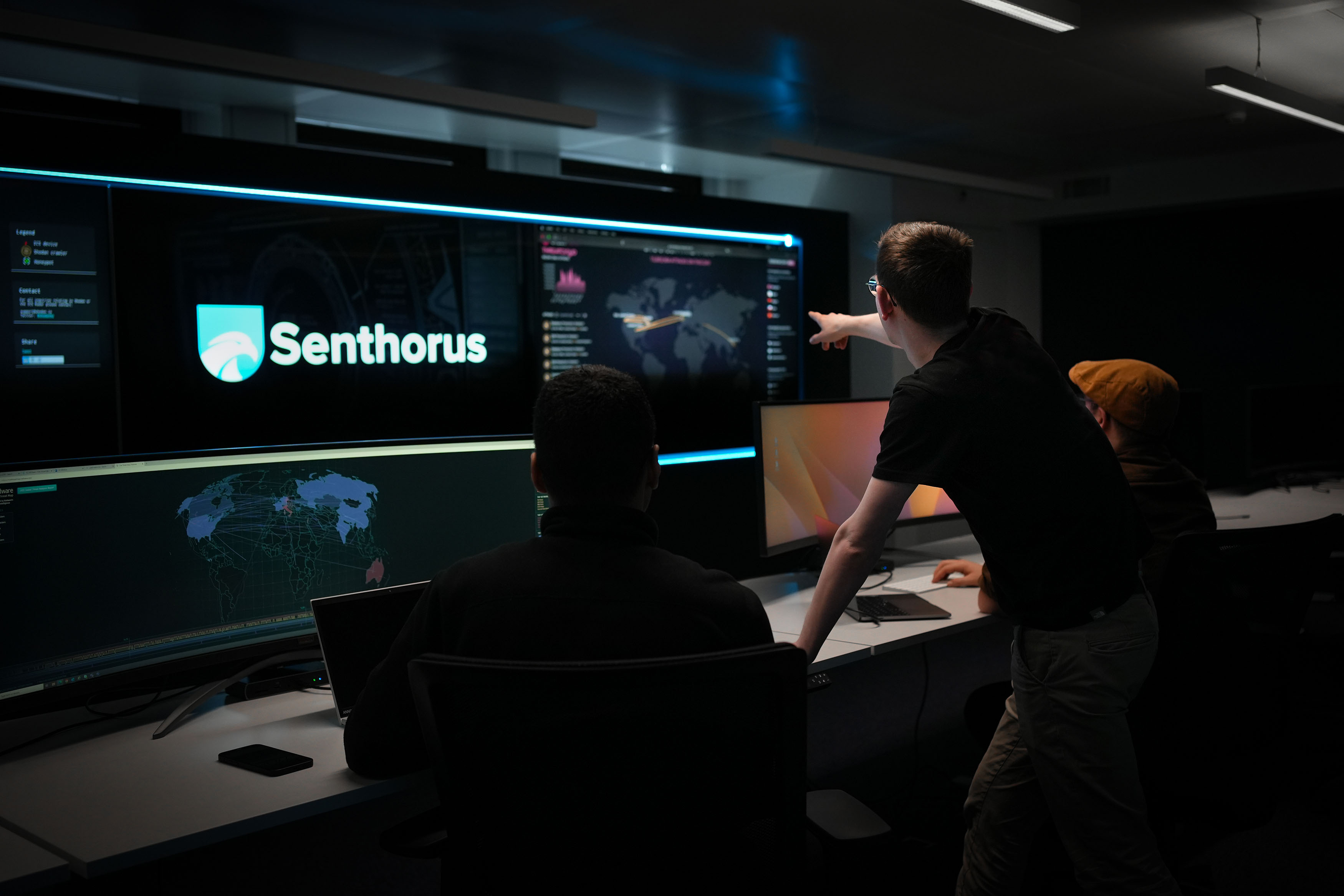
Senthorus: Mastering Cyber Resilience
At Senthorus, we recognize the critical importance of robust, multi-faceted cybersecurity strategies. Our expertise lies in managing diverse EDR solutions alongside complementary technologies like SIEM, XDR, and NDR. Here’s how we ensure seamless protection for our customers:
- Comprehensive Management: We manage multiple EDR types, ensuring that your infrastructure remains protected even if one solution encounters issues.
- Consistency in Monitoring and Service: Our unified monitoring system provides consistent alerting and incident management across different EDR and other security solutions.
- Consolidated Visibility: We offer a consolidated view of your security posture, enabling you to manage your defenses as if they were a single suite of security solutions.
- Enhanced Resilience: Our approach aligns with our mission to ensure the resilience of our customers, providing robust protection against evolving cyber threats.
- Effective Onboarding and Service: Our onboarding process is designed to assume and accommodate complexity within our customers' IT architectures. We work effectively with complex environments without compromising on customer experience or the quality of our service.
Your resilience, our passion
About Senthorus
By leveraging our advanced capabilities, we empower organizations to maintain operational continuity and security, even in the face of unprecedented challenges. Senthorus stands as your trusted partner in navigating the complex cybersecurity landscape, ensuring that your critical infrastructure remains resilient and secure.